Table of contents
Sign and send unlimited e-signatures with Xodo Sign.
If you regularly sign documents, you’ve likely encountered different types of signature requirements.
While many businesses are now adopting electronic documents and e-signatures to speed up the signing process, there are still situations where a wet signature is required.
In this guide, we'll go over what a wet signature is and when it’s required. We'll also cover electronic signatures and how an e-signing platform like Xodo Sign can help you transition to a digital signing document process.
Let's begin with wet signatures.
What is a wet signature?
A wet signature is a handwritten signature made with wet ink on a physical paper document. This traditional wet signature is still sometimes required for some documents.
The term "wet signature" refers to the act of signing a signature with a writing tool, where the wet ink needs time to dry.
While printing a digitally signed document may result in an ink signature, it doesn’t qualify as a wet signature unless it was physically signed by hand.
When is a wet signature still required?
Some situations still require wet ink signatures, especially when:
- A physical person is needed for signing notarized documents
- A hard copy document must be submitted to a government agency
- The original ink signature is needed for legal recognition
- Certain financial institutions require wet signatures for loans
- Jurisdictions that don’t recognize digital signatures
In such cases, collecting wet signatures remains a necessity for some industry-specific documents.
Wet signatures are sometimes needed on legal documents such as wills, adoption paperwork, court orders and filings, trusts, and divorce papers.
In the government sector, you may need a wet signature for building permits, certain tax forms and immigration papers.
Financial documents that include significant wire transfers, notarized documents, large loans, and promissory notes may require wet signatures depending on the amount of funds involved.
Always confirm with the issuing party if physical signatures are required. Companies managing high volumes of business documents may switch to electronic signatures to reduce costs and improve efficiency. And with good reason.
The cost of paper-based workflows
Paperwork is one of the burdens business owners have. Companies have long been facing operational, administrative, and financial challenges.
According to document imaging industry statistics from Naviant:
- U.S. businesses spent $350 billion on computer printouts annually.
- A total of 8 hours were wasted per week in paper management.
Our own research on the state of paper waste included some concerning statistics, as well:
- 70% of office waste consists of paper
- The average office worker goes through 10,000 sheets of paper (per year)
Taken altogether, one thing is clear: organizations need to move toward digital document management and electronic signature solutions. Doing so, business owners can save time, money, and remain competitive.
What is an electronic signature?
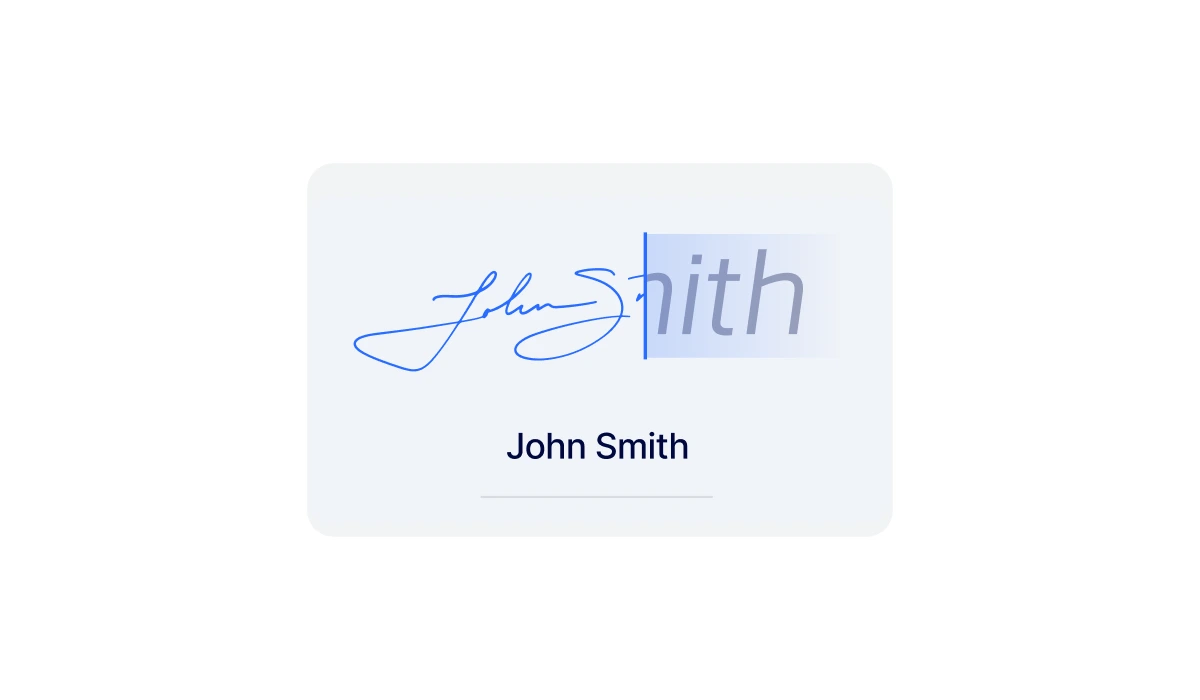
Unlike a wet signature, an electronic signature is a digital mark or action that confirms your agreement to a document or message. Widely accepted across industries, it can come in forms other than a "signature". It can also be:
- Your name typed at the end of an email or document
- Clicking on the “I Agree” and "I Disagree" buttons on a contract
- Entering a PIN or a biometric confirmation
- Personal identification numbers
E-signatures that are signed and created with authoritative e-signing tools are legally valid and carry the same authority as traditional wet signatures in most transactions.
How electronic signatures improve business processes
When you’re operating a business, you’re always looking for methods to save money and improve processes. With digital signatures, you can do both.
Depending on the toolset you have, the improvements can be significant:
- Upload paperwork for partners, co-workers, or clients to sign.
- Send and receive signed electronic forms back in hours, not days.
- Sign documents electronically and send them out instantly.
- Send contracts for signing anywhere: online, on mobile or on a desktop.
- Finalize and close deals quickly.
Speed, cost savings, and flexibility are driving the switch to an e-signing workflow.
Why Xodo Sign is a secure solution for digital agreements
If you're looking to make the switch, Xodo Sign is an ideal choice. As a secure, cloud-based electronic signature solution, it lets individuals and businesses sign documents securely and efficiently online. You can:
- Upload business documents and import templates.
- Use Audit trail tracking on documents signed and pending.
- Request signatures from multiple parties easily.
- Edit PDF documents before signing.
- Automatically send reminders to signers.
- Access, manage, and store documents securely via the cloud.
- Add electronic signatures that are compliant with e-signing laws.
Xodo Sign streamlines your document management workflow. It provides you with everything you need to sign documents easily and at a fraction of the cost of other e-signing platforms.
Check out Xodo Sign's different types of accounts to see which one meets your individual, business or enterprise needs.
FAQs
Here are answers to common questions about wet signatures, electronic signing, and how they fit into today’s signing workflows.
How does a wet signature hold up in court?
A wet signature is generally accepted in court as long as it can be verified as authentic. Courts often rely on supporting evidence such as witness testimony, timestamps, or physical presence during signing to confirm the signature's validity.
Is a scanned handwritten signature considered a wet signature?
No. A scanned signature is not a wet signature. It’s a digital image of one. Wet signatures must be physically signed with ink.
What are the disadvantages of a wet signature?
While wet signatures are still used in some settings, they come with several drawbacks:
- Time consuming: You still need to print, sign, scan and mail.
- Physical presence: It often needs in-person signing, which delays remote workflows.
- Storage and preservation: Signed physical documents must be filed and stored securely.
- Limited tracking: No built-in audit trail exists for wet signature documents.
Are electronic signatures legally binding?
Yes, they are if you use a trusted e-signing platform. Xodo Sign generates electronic signatures that are compliant and legal under the Electronic Signatures in Global and National Commerce Act (ESIGN) and the Uniform Electronic Transactions Act (UETA).
What’s the difference between electronic and digital signatures?
Electronic signatures confirm agreement. Digital signatures use encryption and a digital certificate to verify the signer's identity and the signature's validity.
Do all parties need to agree to use an e-signature?
Yes. For an electronically signed document to be valid, all parties must consent to signing it digitally.
How secure is Xodo Sign?
Xodo Sign includes audit trails, IP tracking, geo-location, and encryption to ensure secure and compliant signing.
Can I use Xodo Sign for contracts, legal documents, and NDAs?
Absolutely. Xodo Sign supports legally binding agreements, including contracts, NDAs, and HR documents.
Ready to leave wet signatures behind?
Digital age business transactions rely on speed, security, and convenience. While some documents still require wet signatures, most can be signed using an electronic signature with the same legal weight.
Trusted e-signature platforms like Xodo Sign help you manage digitally signed documents, streamline digital processes, and reduce reliance on paper documents.
Start a free Xodo Sign trial and simplify how you sign documents today.